Stress vs Burnout: Understanding the Differences

Most people recognise stress.
Many people struggle to recognise the difference between stress vs burnout until they feel emotionally exhausted.
Fewer people recognise burnout.
Stress usually feels like:
“There’s too much going on.”
Burnout feels more like:
“I don’t have anything left to give.”
And the difficult part is that many people continue functioning normally while emotionally running on empty.
Stress vs Burnout: What’s The Difference?
Stress | Burnout |
Overwhelmed | Emotionally numb |
Anxious | Detached |
Reactive | Exhausted |
Overthinking | Mentally checked out |
“Too much to do” | “I don’t care anymore” |
Temporary pressure | Long-term depletion |
Stress is often about too much pressure.
Burnout is what can happen when pressure continues for too long without enough recovery.
Burnout Doesn’t Always Look Dramatic
A lot of people imagine burnout as someone completely breaking down.
But often it looks far quieter than that.
People with burnout still go to work. They still reply to messages. They still look “fine” from the outside.
But internally they feel emotionally drained, disconnected, and exhausted in a way sleep doesn’t fully fix.
Sometimes the biggest sign of burnout isn’t panic.
It’s emotional numbness.
Constant Functioning Mode
Many people spend months — sometimes years — in constant functioning mode.
Always responsible.
Always available.
Always solving problems.
Always carrying things for other people.
Eventually the brain and nervous system stop recovering properly between periods of stress.
That’s when people often notice:
brain fog
irritability
low motivation
emotional exhaustion
struggling to enjoy things
feeling detached from themselves
withdrawing from people
feeling tired all the time
Not because they’re lazy.
Because the body and mind are depleted.
Compassion Fatigue Is Real
This especially affects people who spend their lives caring for others: Healthcare staff, parents, carers, teachers, support workers, and busy professionals trying to hold everything together.
When someone gives emotional energy constantly without enough time to recover, the brain can begin protecting itself by emotionally shutting down.
Not because they don’t care.
Because they’ve cared for too long without restoration.
Signs Of Burnout People Often Ignore
Why Rest Doesn’t Always Work
A lot of people try to “push through” burnout,
Or they take one weekend off and wonder why they still feel exhausted.
But burnout recovery usually isn’t solved by a single break.
Because it’s not only physical tiredness.
It’s emotional depletion.
Sometimes people haven’t properly slowed down in months.
Sometimes years.
Small Things That Can Help
Burnout recovery often starts smaller than people expect.
Not with completely changing your life overnight.
But with creating moments where your nervous system can actually recover.
Things like:
reducing overstimulation
putting boundaries around work
resting without guilt
spending less time constantly available
reconnecting with enjoyable things
getting outside more
allowing yourself proper downtime
talking honestly about how you feel
Sometimes even recognising:
“This might be burnout”
can bring a sense of relief.
Because many people blame themselves for something that is actually a very human response to prolonged stress.
Final Thought
If you’ve felt emotionally flat, exhausted, disconnected, or like you’re simply surviving lately…
It may not mean you’re failing.
You may just have been carrying too much for too long without enough recovery.
And you’re far from alone in that feeling.
4 Positive News Stories From Around The World 🌍
Because good things are still happening — they just don’t always dominate the headlines.

1. Scientists developed a blood test that may detect Alzheimer’s years earlier
Researchers announced major progress in early Alzheimer’s detection using a simple blood test, potentially helping earlier support and treatment worldwide.
Read more: Alzheimer’s blood test breakthrough
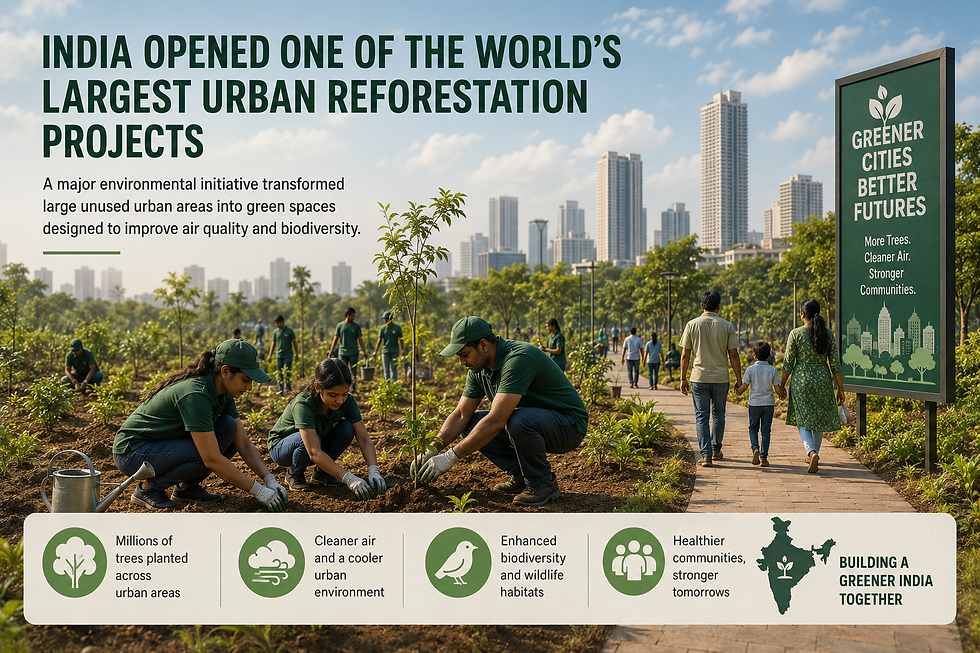
2. India opened one of the world’s largest urban reforestation projects
A major environmental initiative transformed large unused urban areas into green spaces designed to improve air quality and biodiversity.
Read more: India urban forest project

3. Global childhood vaccination rates improved again in 2026
International health organisations reported significant improvements in vaccination access for children in lower-income countries following global healthcare investment programmes.
Read more: Immunisation update 2026

4. A community in Finland created a loneliness reduction programme that significantly improved wellbeing
Several towns across Finland expanded community connection programmes in 2026 designed to reduce loneliness and improve mental wellbeing through local meet-ups, shared activities, and social support initiatives.
Early reports showed improvements in wellbeing, social connection, and reduced isolation among residents.
Frequently Asked Questions
Can stress turn into burnout?
Yes. Long-term unmanaged stress without enough recovery can eventually lead to emotional exhaustion and burnout.
What are common signs of burnout?
Common signs include emotional numbness, exhaustion, brain fog, irritability, low motivation, and struggling to enjoy things.
Why does burnout make people feel detached?
When stress continues for too long, the brain and nervous system can begin emotionally shutting down to protect themselves from ongoing overload.
Can you recover from burnout?
Recovery is possible, but it often requires proper rest, boundaries, reduced overload, and time for the nervous system to recover.


Comments